Category: Journal

Alice Ratterree’s daily illustration blog.

  • What size should I illustrate my children’s book?

    What size should I illustrate my children’s book?

    So you’re going to illustrate a children’s book. Congratulations!

    Before you grab a brush and start on a piece of finished art, a few decisions must be made. To name a handful : how many pages/spreads there are, where the type needs to be placed (this may be flexible), color or black and white, spot illustrations (small drawings that stand alone, with minimal or no background elements) or full bleed illustrations (meaning the entire page is covered to the edge) and most importantly, the dimensions of the book- thus directing the dimensions of the illustrations, which will ultimately help when you create the composition. Luckily you do not have to bear the burden of making all of these decisions alone. The Publisher will (most likely) provide the answers to most these questions for you, and if not, make sure you come to an agreement together so there are no surprises after you have put in the hours.

    Size

    Sizes vary in the industry and thankfully the publisher will inform you of the size of the book or provide a choice of options for you to consider. You don’t have to work at 100% scale, and many times should not. Take a look at any juvenile book cover. Many of those are printed around 6″x8″ or smaller. Who wants to (and can successfully) work at that scale? Picture books have a larger standard (in the ballpark around 8×8, 8×10, 9×11…) but there are still benefits to working larger than the final print size. For one, you enjoy more freedom to experiment with various mediums. Secondly, when a final illustration is scaled down, a certain magic happens in which details become a little more crisp, edges sharpen up a bit, and I’ve even found that color intensifies.
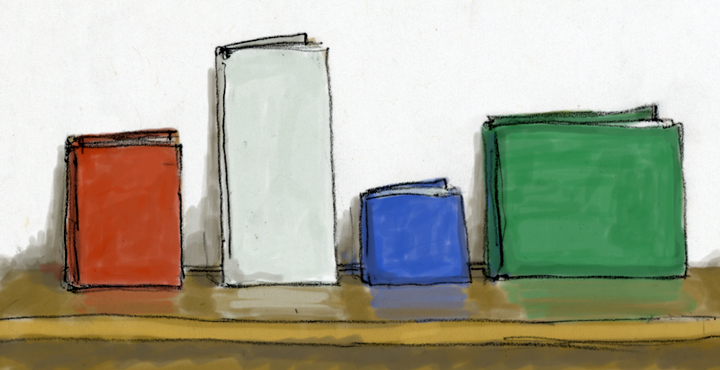
    book size
    ©AliceRatterree

    Proportion

    The most important thing to consider is maintaining proportion. For example, an 8″x10″ book proportionally increased by 25% would be 10″x12.5″ Never work smaller than the finished size, or you will loose image quality when you enlarge the image to fit the page. Also, try not to get too large either, or detail becomes lost when grossly scaled down. The trick is finding what percentage increase works with your work medium and style.
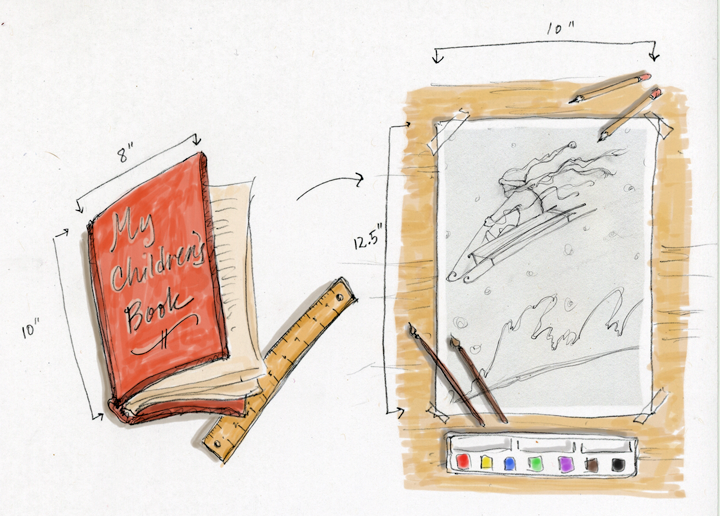
    children's book illustration size
    ©AliceRatterree

    Bleed, Trim and Safe Zone

    Remember to include a bleed of at least 1/4 inch. (This is the part of the illustration that runs off the edge of the page)  So for the example mentioned, the 8″x10″ book illustrated at 10″x12.15″ would have an extra 1/4″ added around for the bleed, making the drawing 10.25″x12.75″ In addition, make sure to leave a safe zone (an area free of your main action) of about 1/4″ inside the trim area.
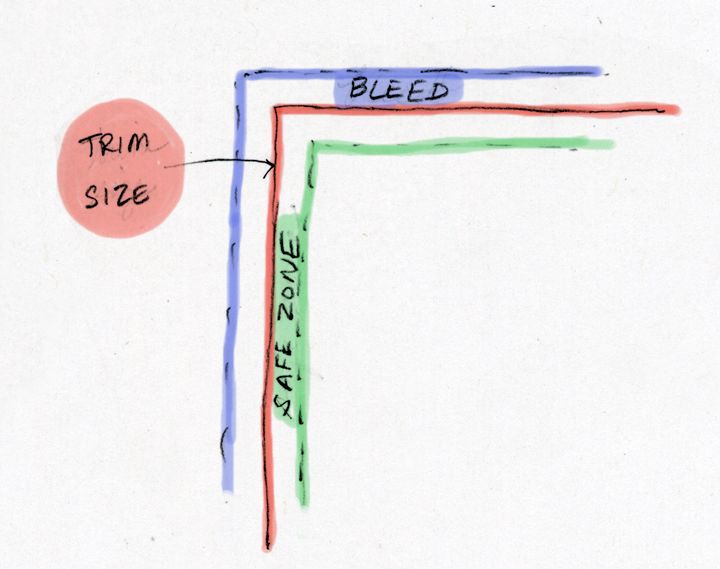
    bleed and trim graphic
    ©AliceRatterree

     Materials

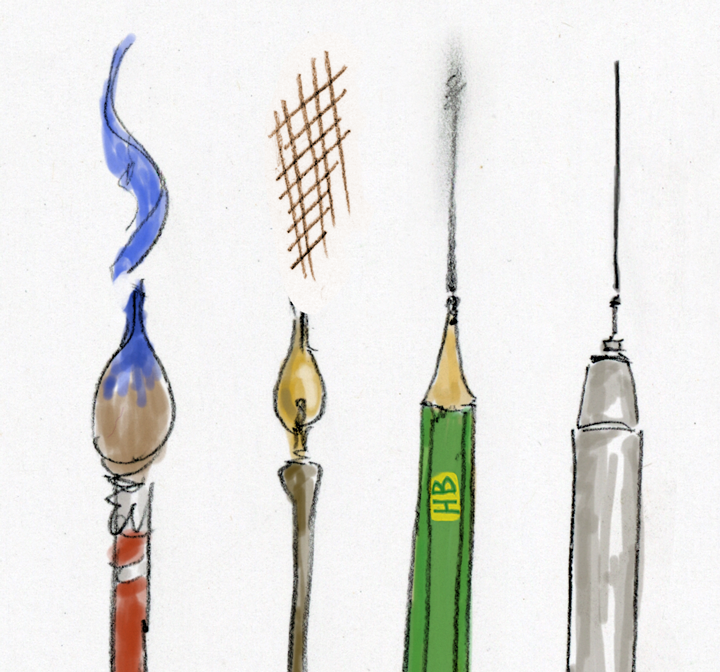
    Medium? Type of Paper? That is up to you. However, the reason to address this decision is because it does have a relationship with the size of your work. For example, if you love cross-hatch work with a crow quill pen, that works great for smaller, more detailed drawings, but if you prefer a large round brush and acrylics, you will need larger surfaces. The key is to find your own “sweet spot” between your preferred media and the size of your work.
    materials
    ©AliceRatterree

    Happy experimenting!

    Illustrator of the day: Zach Franzen

  • Re-illustrating a classic

    Re-illustrating a classic

    One treads on sacred ground when it comes to re-illustrating a classic. The classic has already reached the status of, well…a classic. So, is there a reason to “fix what ain’t broke”? Here’s a nice presentation by Lexington Public Library Children’s Librarian Meggan Conway on the subject.  Meggan has also set up a website devoted to examining classic books that have been re-imagined:  http://reillustrated.weebly.com/

    Check out Elizabeth Bird’s blog post that provides more nice examples of re-illustrated books. She poses the question: “Do any of these improve on the original?  Or is re-illustration never really a case of improvement but rather giving kids a variety of different ways to look at something familiar?” 

    While there are many different views on the subject, the latter is where I choose to stand. I have the highest respect for the magnificent Pauline Baynes, and marvel over her effortless use of lines and loose color washes she added to her original Narnia illustrations. People forever will (and should) honor those drawings as the quintessential benchmark for the world of Narnia. But as an illustrator how can I help myself when I read C.S. Lewis?

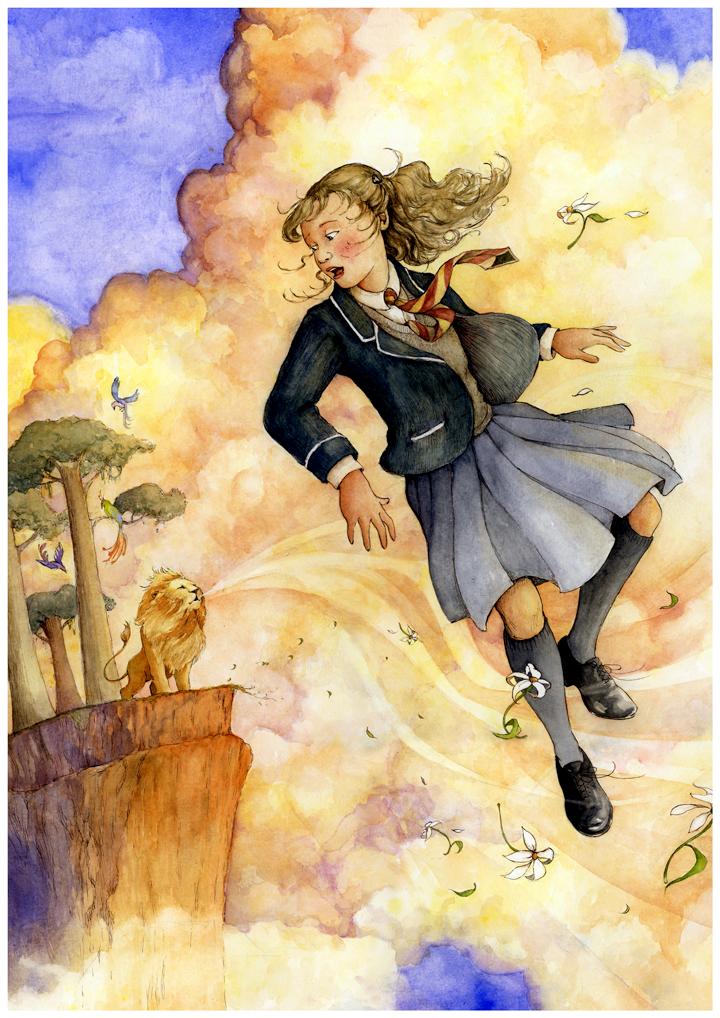
    “Stand still. In a moment I will blow. But, first, remember, remember, remember the signs. Say them to yourself when you wake in the morning and when you lie down at night, and when you wake in the middle of the night. And whatever strange things may happen to you, let nothing turn your mind from following the signs. And secondly, I give you a warning. Here on the mountain I have spoken to you clearly: I will not often do so down in Narnia. Here on the mountain, the air is clear and your mind is clear; as you drop down into Narnia, the air will thicken. Take great care that it does not confuse your mind. And the signs which you have learned here will not look at all as you expect them to look, when you meet them there. That is why it is so important to know them by heart and pay no attention to appearances. Remember the signs and believe the signs. Nothing else matters. And now, daughter of Eve, farewell – “
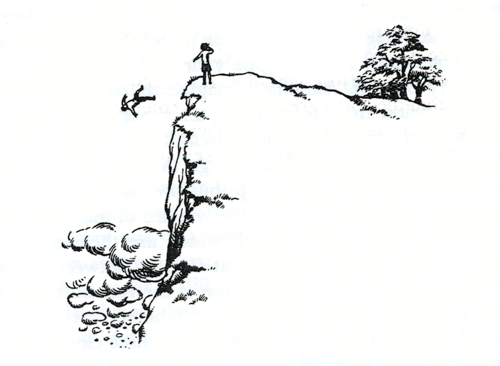
    The voice had been growing softer towards the end of this speech and now it faded away altogether. Jill looked behind her. To her astonishment she saw the cliff already more than a hundred yards behind her, and the Lion himself a speck of bright gold on the edge of it. She had been setting her teeth and clenching her fists for a terrible blast of lion’s breath; but the breath had really been so gentle that she had not even noticed the moment at which she left the earth. And now, there was nothing but air for thousands upon thousands of feet below her.        – The Silver Chair, chapter 2, The Chronicles of Narnia (C.S. Lewis)

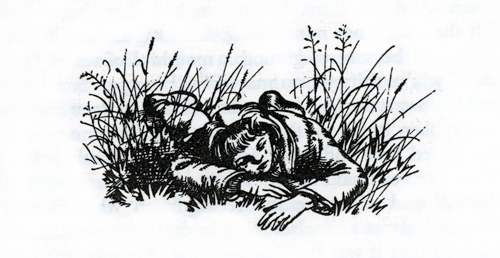
    Here are two of Pauline Baynes’ original illustrations surrounding the above scene published in 1953:

    silver-chair_baynes
    Original 1953 illustration by Pauline Baynes
    The Silver Chair, chapter 1
    silver-chair2_baynes
    Original 1953 illustration by Pauline Baynes
    The Silver Chair, chapter 2

    In 1998, Ms. Baynes added water-color washes to the original black and white line illustrations for the seven volumes of Narnia:

    silver-chair1a_baynes
    Baynes’ illustration after her addition of watercolor in 1998
    The Silver Chair, chapter 1
    silver-chair2a_baynes
    Baynes’ illustration after her addition of watercolor in 1998
    The Silver Chair, chapter 2

    And my own interpretation:

    SilverChair2_ratterree
    Jill is given a Task
    The Silver Chair, The Chronicles of Narnia (C.S. Lewis)
    illustration by Alice Ratterree

    What are your favorite re-illustrated classics? Are there any classics you would like to see re-imagined?

    Today's illustrator of the day: Carl Larrson
  • How to illustrate a map in a hand-drawn style

    How to illustrate a map in a hand-drawn style

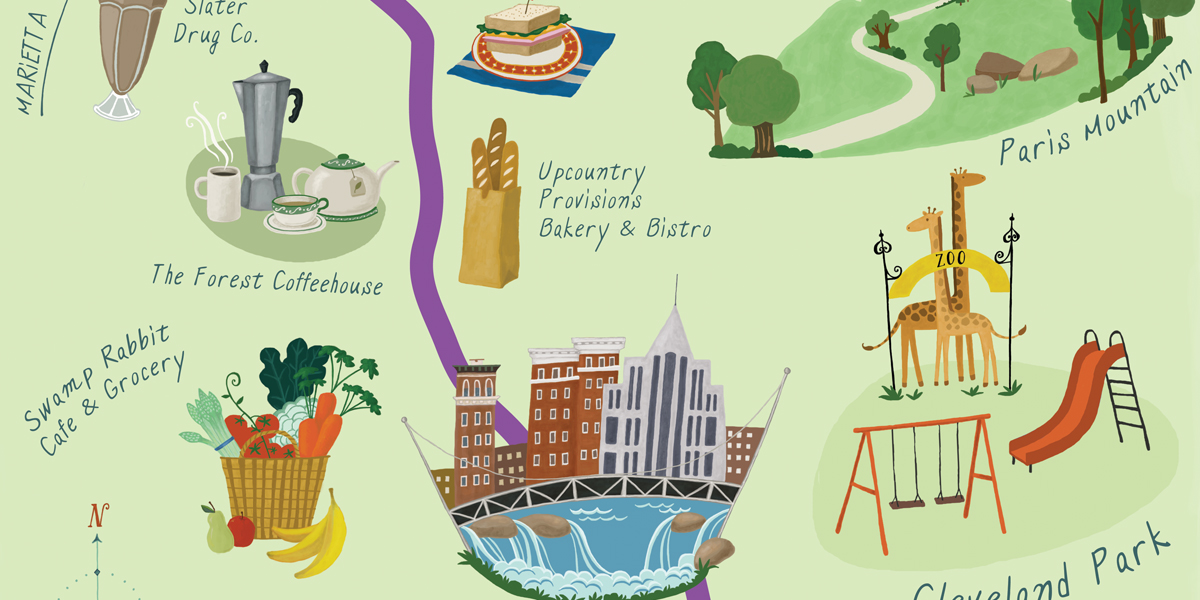
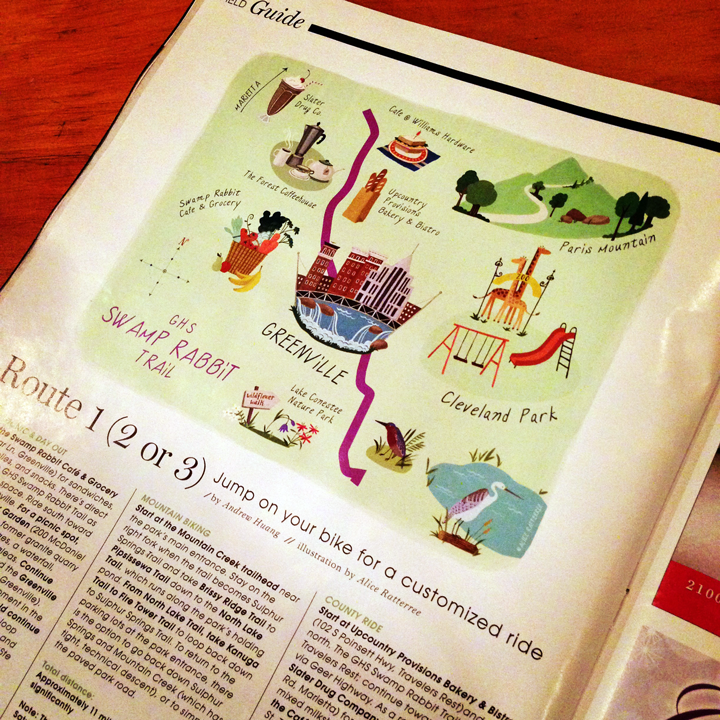
    Recent editorial work for Town Magazine involved an illustrated map of the Swamp Rabbit Trail.

    ratterree_townmagazine

    The process, while brand new to me, proved to be very rewarding. It began with a conversation with the editor, in which she provided the key places along the trail that would be highlighted. Initial (messy) notes:

    ratterree_SRTnotes

    To start, a soft-green base was laid in Photoshop using the paint tools.

    ratterree_greenfield

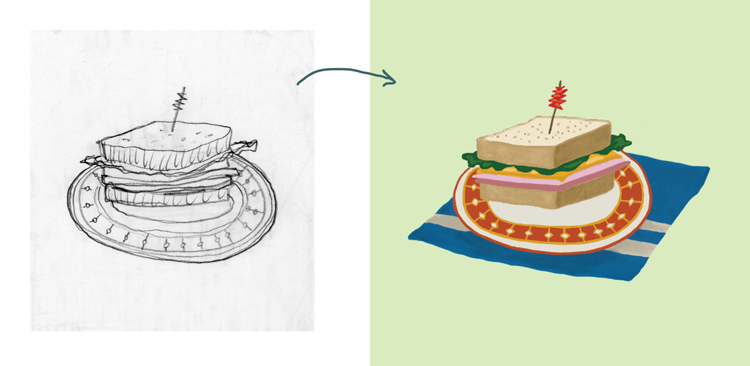
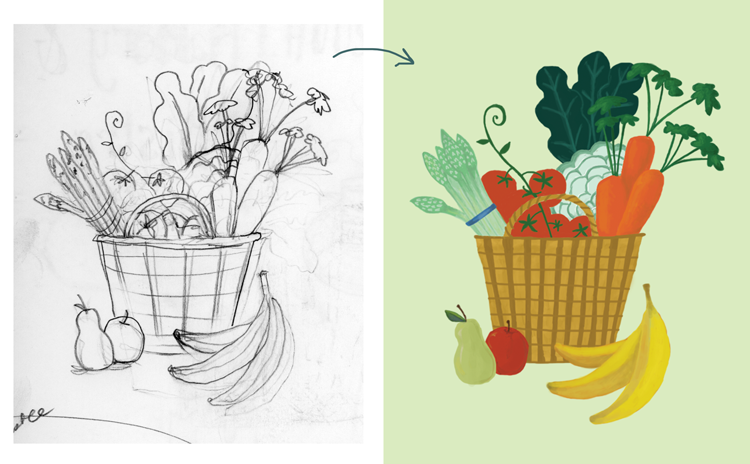
    Each location needed a special icon that represented its unique services and attributes. Time is always a constraint with editorial turn around, so I didn’t have the luxury of personally seeing places I wasn’t already familiar with. But it was a lot of fun virtually “visiting” each enterprise’s web site and discovering what it had to offer. I wanted each location’s icon to have a very hand-made look to it, so instead of drawing directly onto the computer, each icon was free-handed (just on plain printer paper- one of my most used and favorite sketching surfaces!) scanned it in, and then traced over it in Photoshop with the paint tool (as a separate layer – that way, the original drawing could be deleted). The result was something like this:

    ratterree_sandwich


    ratterree_groceries


    ratterree_lake

    And so on…..

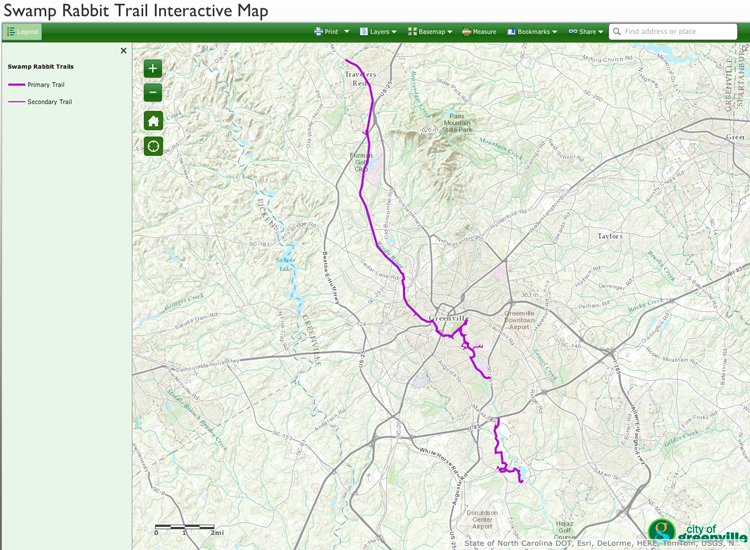
    Next task was to add the actual trail. It needed to be accurate, but also a hand-made representation. Thanks to Greenville County Rec‘s interactive map of the trail, the perfect model presented:

    ratterree_GRmap


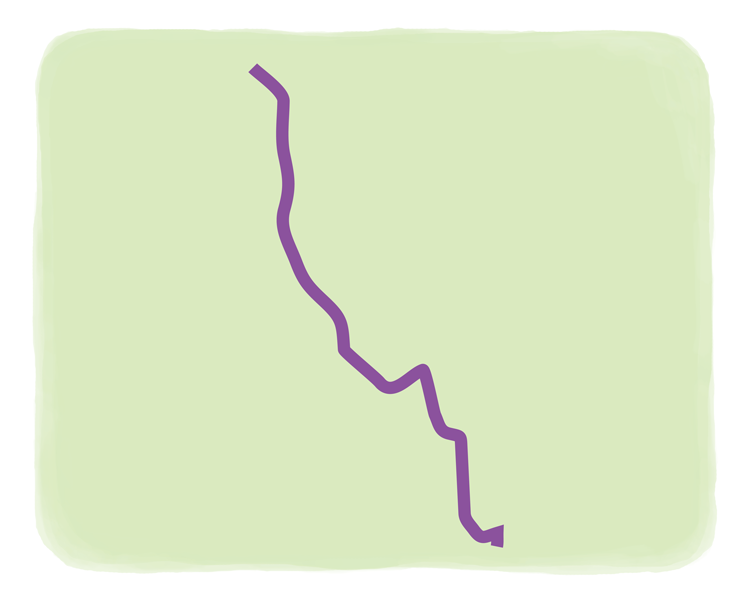
    I liked the way the bright purple stood out against the earth tones, so I picked a similar bright purple to work against the green foundation I had chosen. The trail had to be simplified somewhat but still have those organic angles. This was traced and simplified in Illustrator then imported as a smart object into Photoshop:

    ratterree_trail

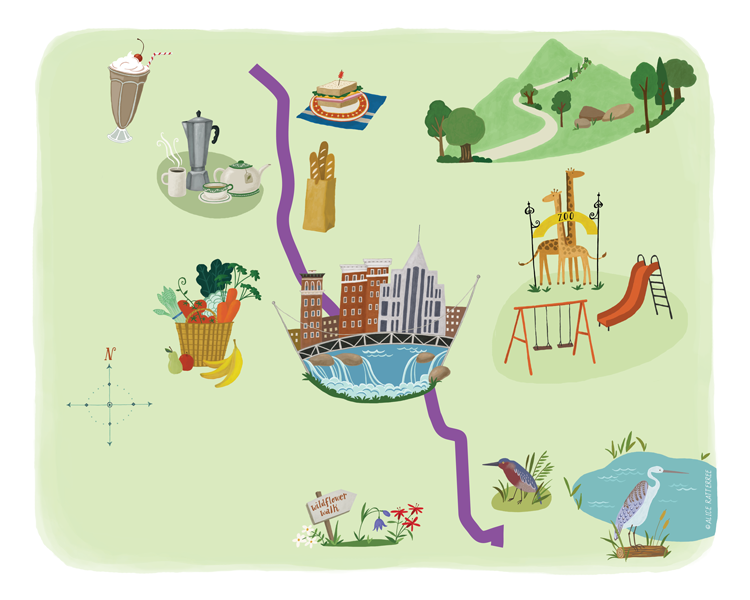
    Each icon had been created in its own layer, which allowed me to move them around individually. The interactive map had a feature that allowed me to type in the address of each location and view it in relation to the trail. That gave me the basic vicinity for placement.

    ratterree_map

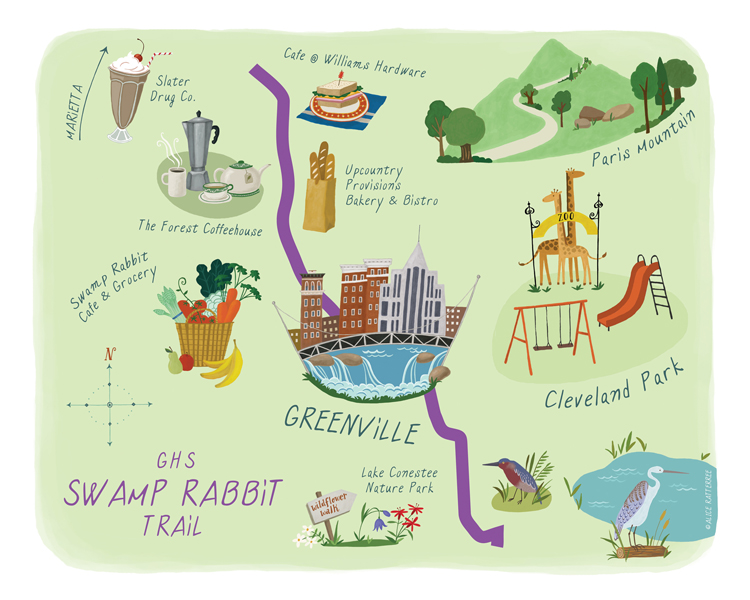
    The next layer was choosing typeface. Thanks to MyFonts I chose one that represented the hand-letter quality to work with the image….

    ratterree_SRTmap_April2014issue

    Along this topic, Laura Coyle has written this excellent blog post about how she designs and illustrates maps, which is a specialty of hers.

    Illustrator of the day: Laura Coyle!
  • this week’s inspiration…

    this week’s inspiration…

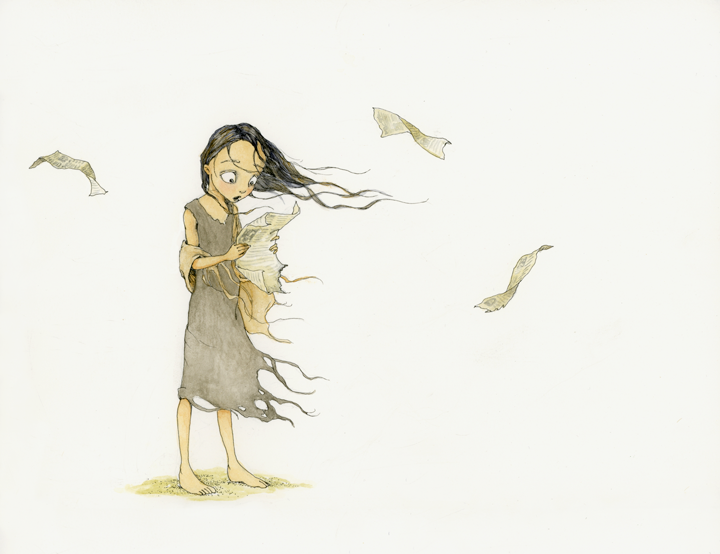
    Inspired by a reading I heard this week of Isabel Allende‘s short story, “Two Words”

    twowords
    Belisa Crepusculario
    ©Alice Ratterree


  • Watercolor practice

    Watercolor practice

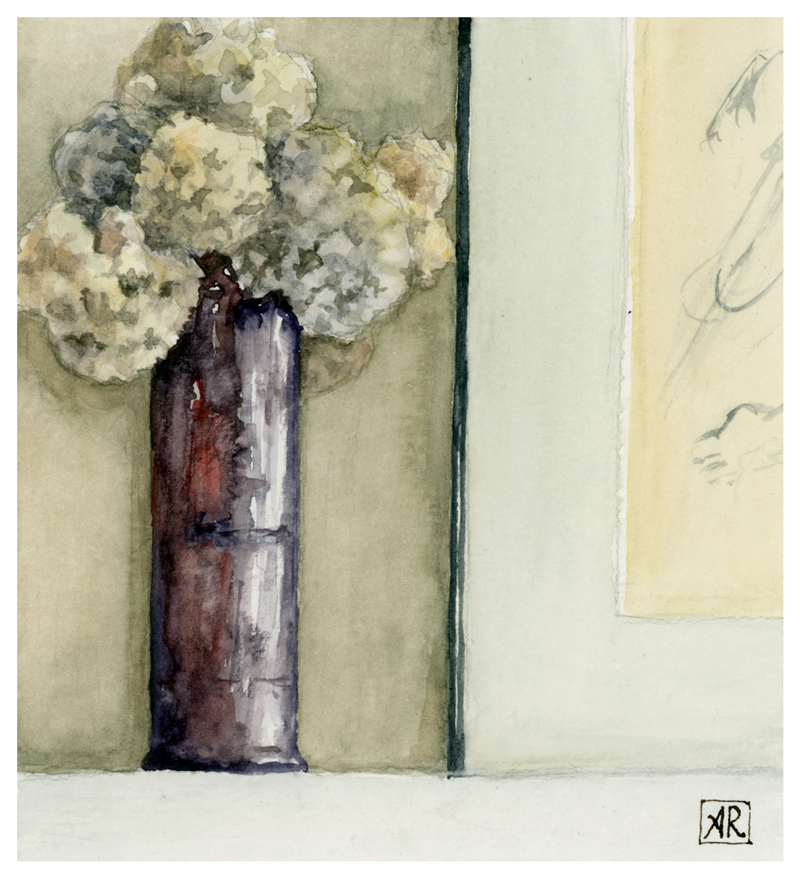
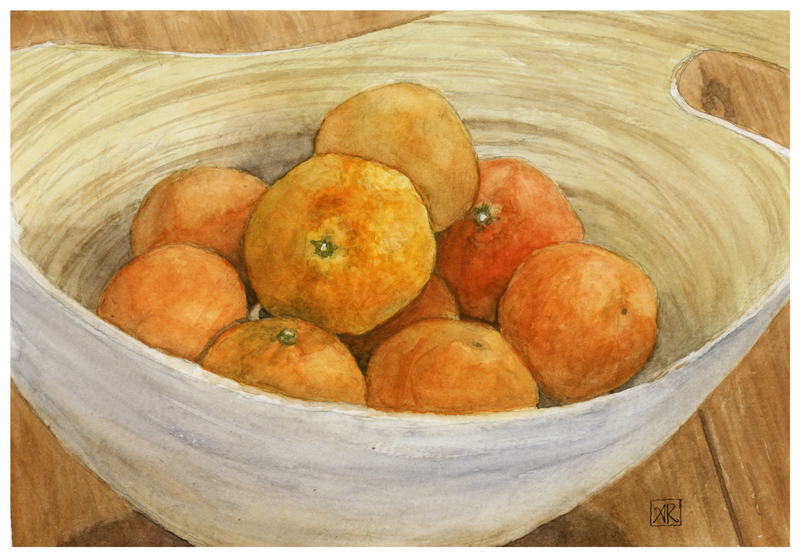
    Just a little practicing as of late….

    ratterree_flowervase
    watercolor study
    January 2014
    image by Alice Ratterree


    ratterree_oranges
    watercolor study
    January 2014
    image by Alice Ratterree
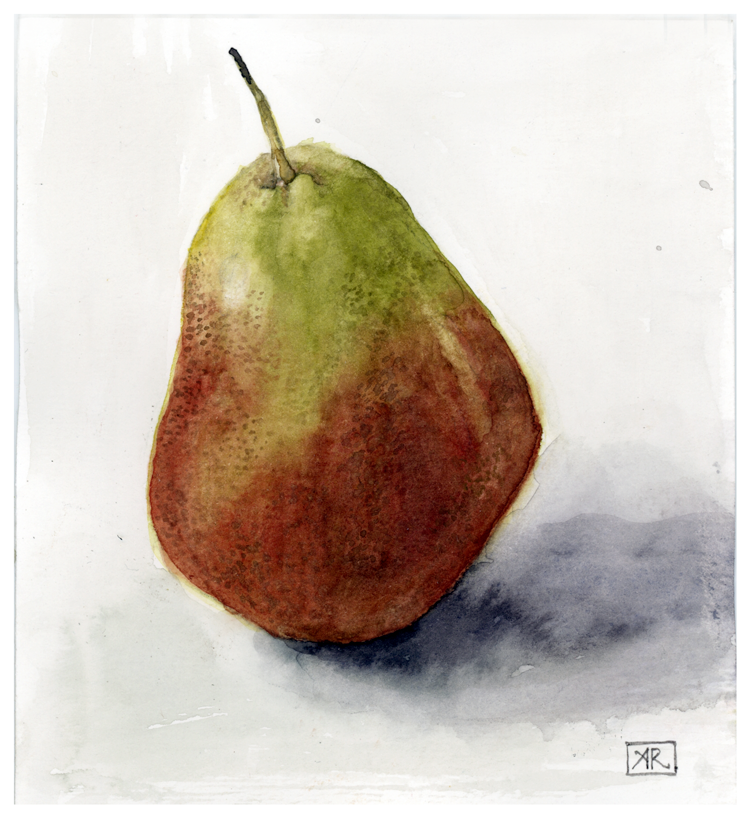
    ratterree_pear
    watercolor study
    January 2014
    image by Alice Ratterree


    ratterree_woods
    watercolor study
    January 2014
    image by Alice Ratterree


  • Illustration Noir

    Illustration Noir

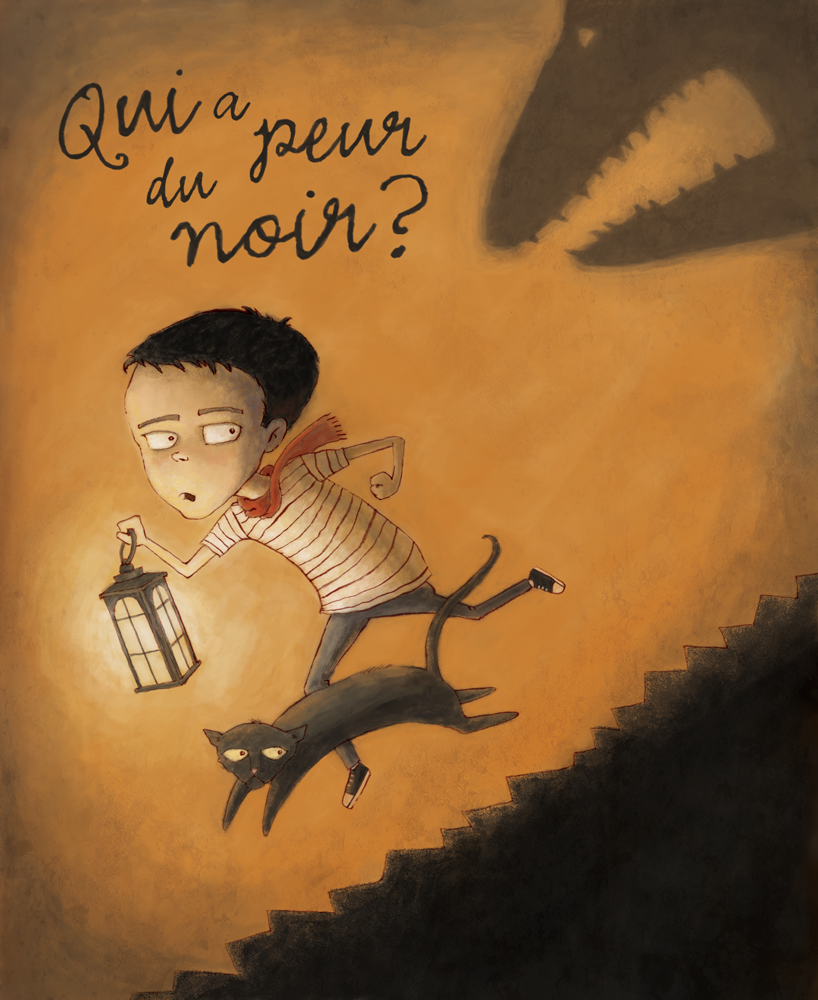
    QUI A PEUR DU NOIR?

    "Who's afraid of the dark?" illustration by Alice Ratterree
    “Who’s afraid of the dark?”
    illustration by Alice Ratterree

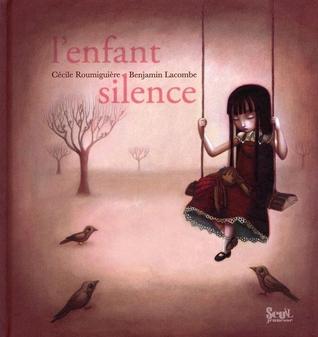
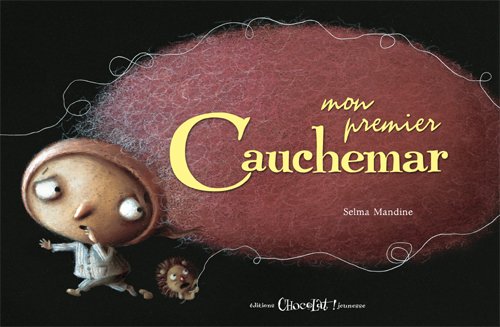
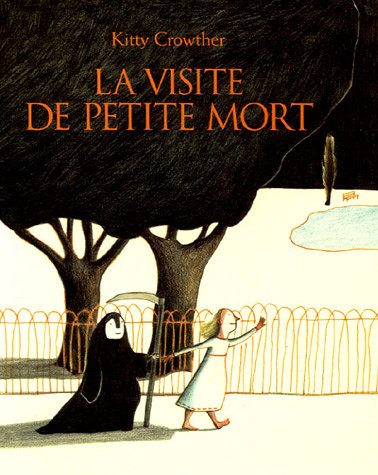
    You know that 5 minute window before you actually wake up and are a bit lucid, but still kind of dreaming too? Well, this is a result of that state, the season, and perhaps also as an homage to the dark children’s books frequently produced by French publishers, which I am continuously fascinated by. Take a look at some of these titles to soothe your little one to sleep:

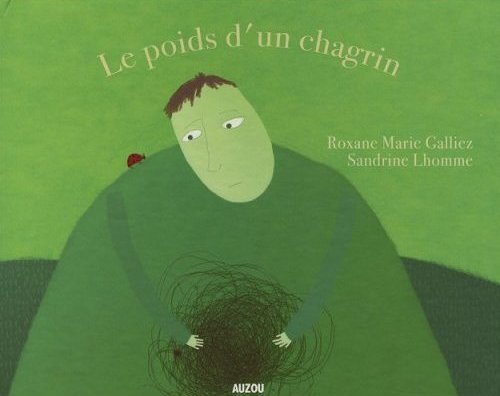
    "The weight of grief"
    “The weight of grief”
    illustration by Roxanne Marie Galliez
    The silent child
    “The silent child”
    illustration by Benjamin Lacombe
    monpremierchauchemar
    “My first nightmare”
    illustration by Mandine Selma

    And my personal favorite,

    levisitedepetitemort
    “The visit of little death”
    illustration by Kitty Crowther

    Happy Halloween, everyone!

    Today’s illustrator of the day is Benjamin Lacombe. 

  • New portfolio addition

    Some new characters in my life these days….

    ratterree_cirk

  • Sketching with paint

    Sketching with paint

    I love line work, and generally only utilize the pencil and sometimes a pen. Recently, though, I’ve been working with the push and pull of a paintbrush, and I’m very happy with the trembling energy it leaves on the paper. Here’s today’s sketch using watercolor (M. Graham) and a no. 2 Kolinsky sable. I still relied on pencil to start the sketch, then erased draft lines after painting. The sketch was drawn over a block of color I laid down a few weeks ago, when I was testing new paints (M. Graham) and saturation on hot press paper.

    Daily sketch 10-07 illustration by Alice Ratterree
    Daily sketch 10-07
    illustration by Alice Ratterree
  • Flat Out Under Pressure: 24 hours to make art

    Flat Out Under Pressure: 24 hours to make art

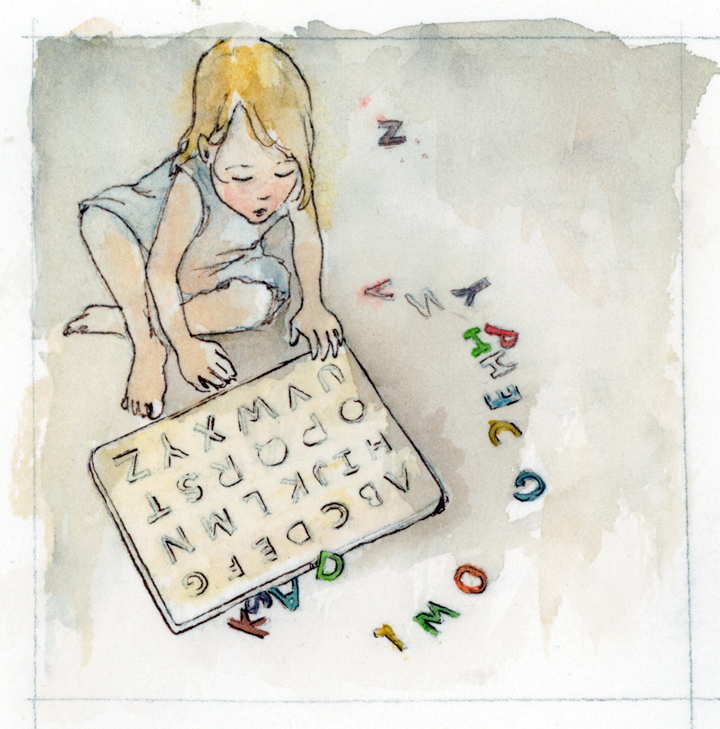
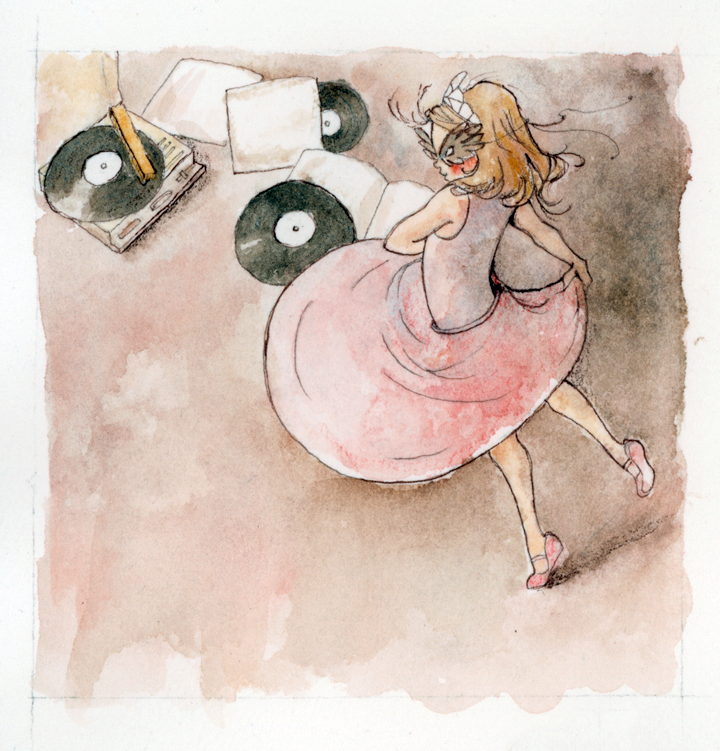
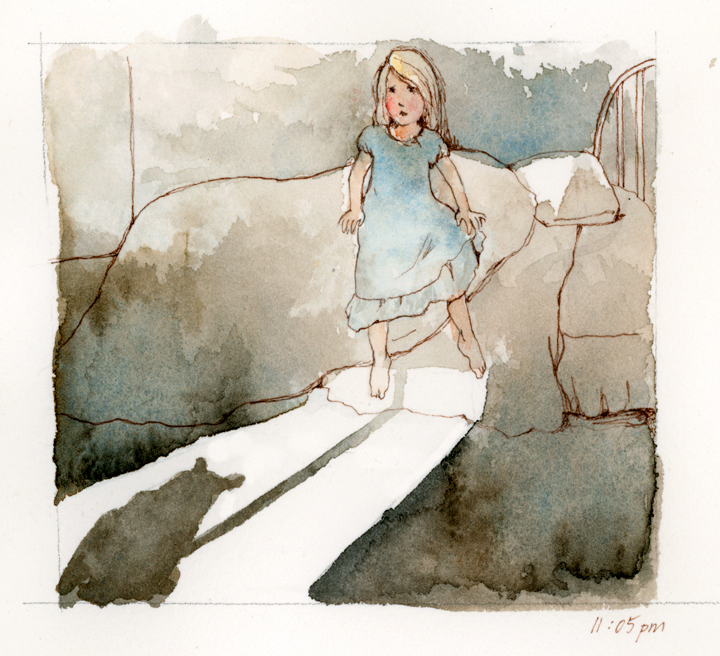
    The challenge: you have 24 hours to make a work of art. How do you fill the time?

    On Friday and Saturday, June 7-8, Greenville’s Metropolitan Arts Council held the annual event, Flat Out Under Pressure. A challenge to create a work of art in 24 hours. On Friday morning, we had our surfaces (free of any markings) stamped and registered. Saturday morning, we were expected to return with art on that surface. The idea of taking 24 uninterrupted hours to spend on one piece offers its own set of unique challenges to different artists for different reasons. As an illustrator, the idea of time is what intrigued me. So why not make a piece about time? 24 hours of time. What happens -or can happen- in 24 hours? Storyboarding. After all, that is what illustrating is all about….telling a story. And a story needs a time.

    A few excerpts from my piece, “24 hours” – 24 frames capturing 24 hours in the life of Helen

    24hrs3
    excerpt, “24 hours”
    illustration study by Alice Ratterree
    24hrs2
    excerpt, “24 hours”
    illustration study by Alice Ratterree


    24hrs1
    excerpt, “24 hours”
    illustration study by Alice Ratterree

    It’s been quite a while since I pulled an all-nighter, and while my body hurts from it, my cup is filled. Taking home a fourth place award felt pretty nice too.

  • Worried Owl

    Worried Owl

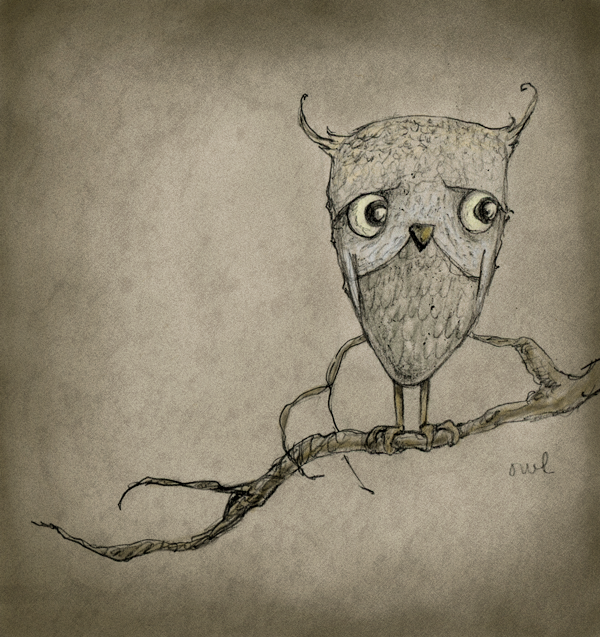
    A horned owl lives in my back yard. Sometimes in the night we hear him calling. My daughter was fascinated by this at first, and answered back. They had a relationship calling back and forth to each other, or so I like to believe. Now the sound of that distant call send her into a fit of fear and worry. The owl still answers back. I think he’s worried now, too.

    Worried Owl
    Worried Owl
    image by Alice Ratterree