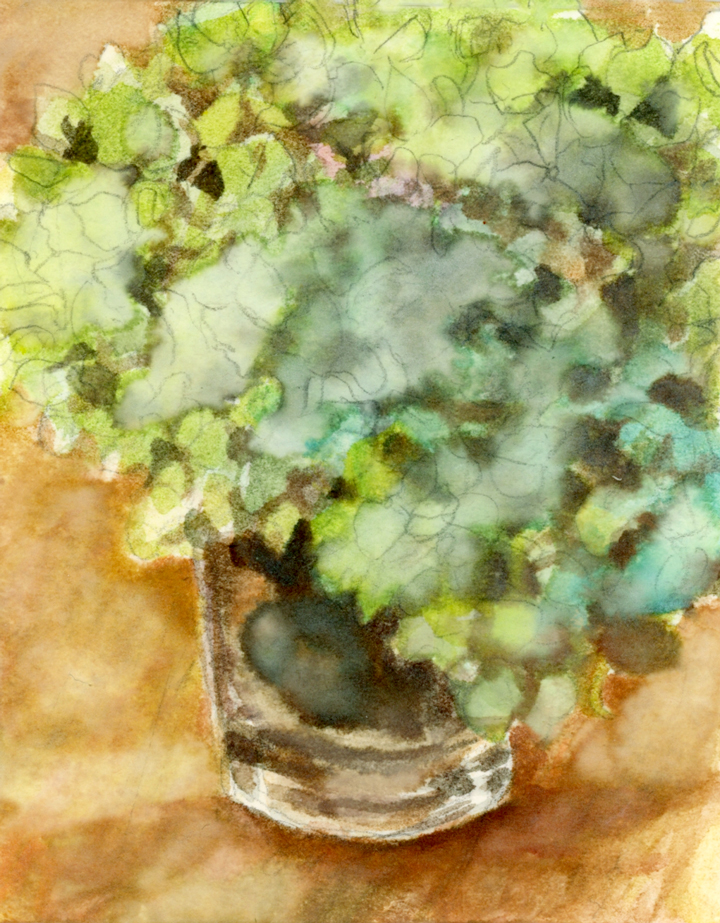
Tag: watercolor

  • Using Life’s Inspiration for Your Art

    Using Life’s Inspiration for Your Art

    The idea of students walking to school probably brings into mind the old cliché stories of our grandparents – “When I was your age, I used to walk 5 miles to school in the snow!” (That gap between home and school proudly growing larger each time the tale is delivered) We may also regard walking to school as something archaic and “old fashioned” (imagine Laura and Mary Ingles trotting down a sun-dappled dirt path swinging books neatly buckled with a leather strap).

    I myself never walked to school. Carpooling in a large station wagon was how my friends and I got around. Then about ten years ago I moved to Greenville to a neighborhood with an elementary school nestled only two blocks away. On the first day of my son’s first grade year, we walked.

    We saw a bunny.

    We listened to birds.

    Watched the way the leaves changed color throughout the year.

    We talked to other kids, other parents.

    Strangers became friends.

    My children are older now, but I still see others buddying up and walking up that hill, their crowns sweetly tilted inward as they talk. I’m confident they will have much better stories to tell about walking to school when they are grandparents.

    Happy Earth Day.

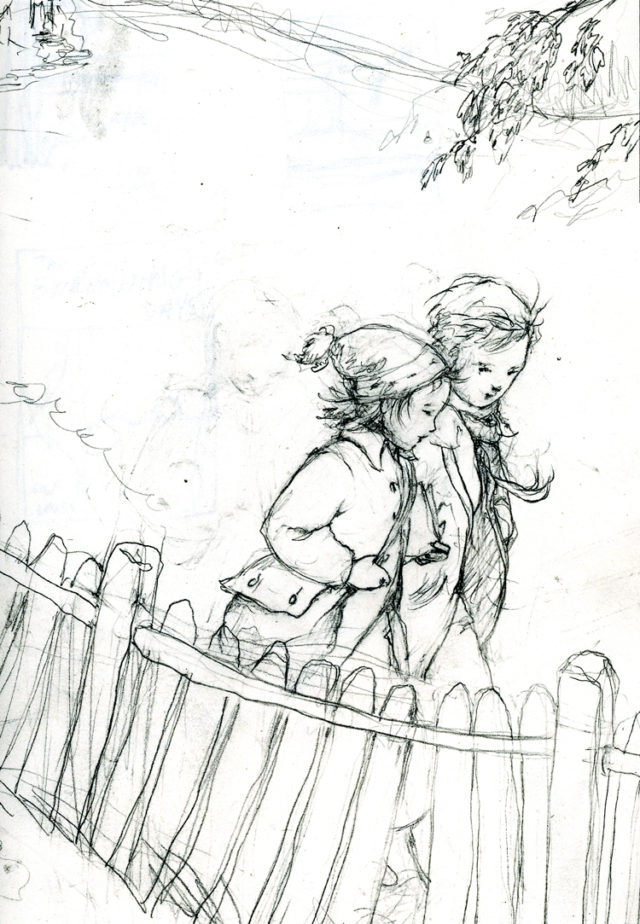
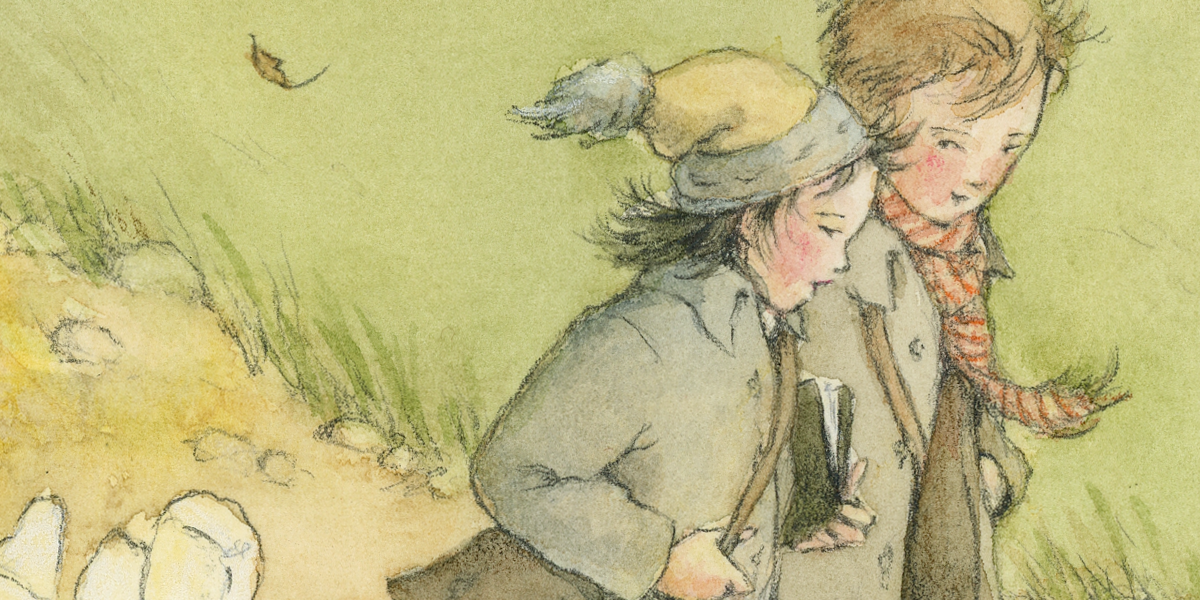
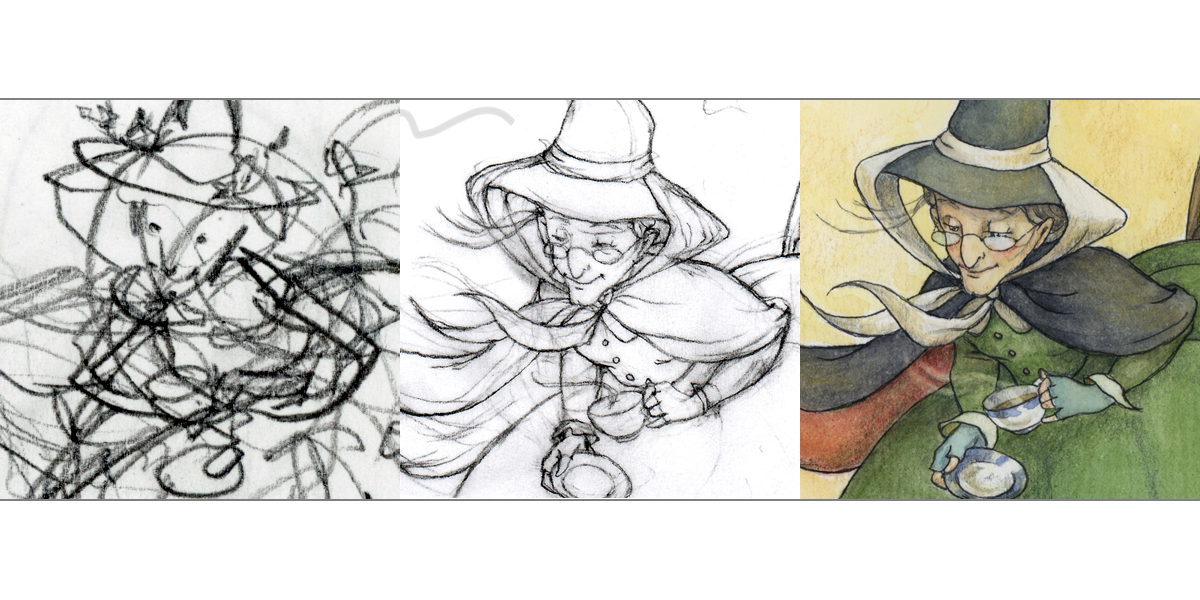
    In this painting, I drew inspiration from this life memory….it starts with the sketchbook:
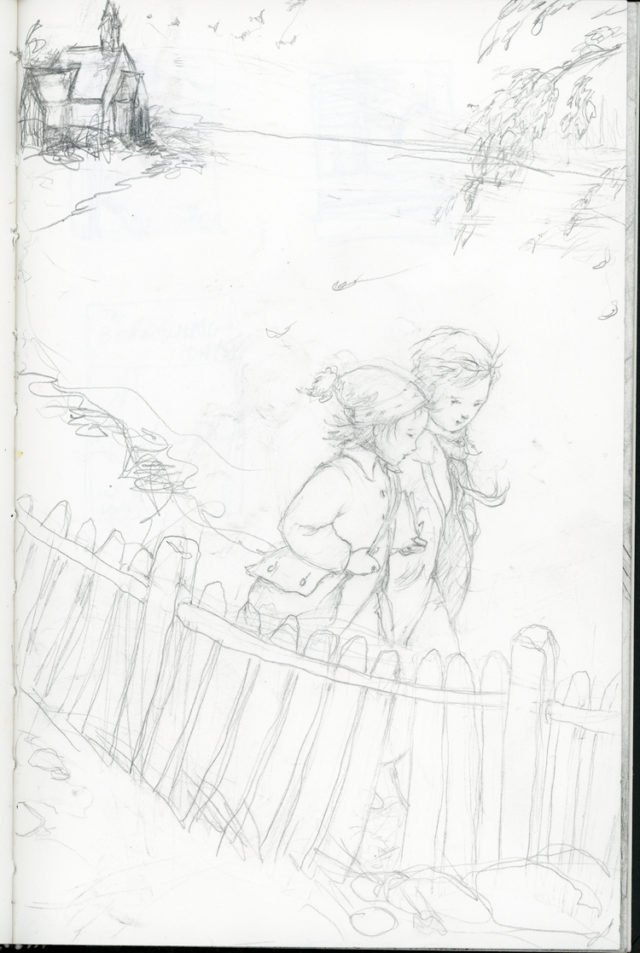
    1) Sketch
    Sketchbook page (Usually worked on in the carpool line of my daughter’s after-school program)
    Sketch #2
    The sketch is scanned and cropped, then levels intensified (in Photoshop) for better visibility when transferring. I then print this out.

    I use an Artograph Light Pad I bought from Michaels (if you pay attention to the coupon savings, you can get these for half the cost!) Place the printed copy of the sketch onto the light pad, and watercolor paper on top. Then trace for a fresh drawing. (Side note: I love listening to podcasts during this phase. One of my very favorites: 99% invisible from Radiotopia. If you haven’t heard of it, carve out 20 minutes today to start enjoying. Hours of discovery awaits you! You can also browse other amazing Radiotopia shows like Criminal, and The Truth)

    The art table at a glance…
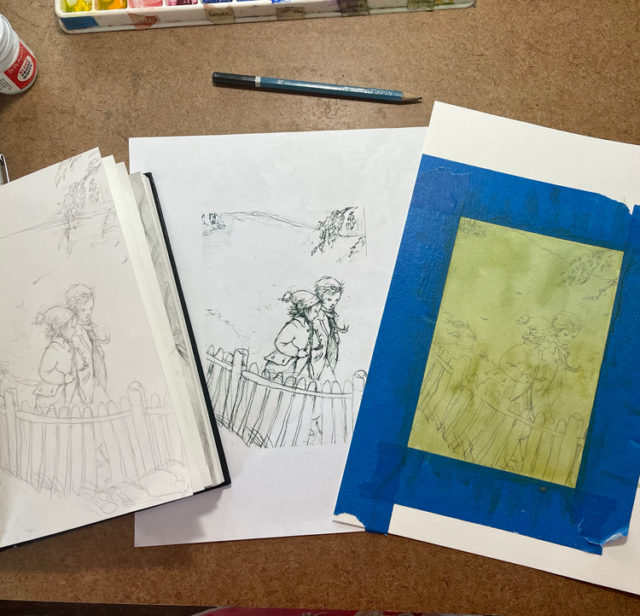
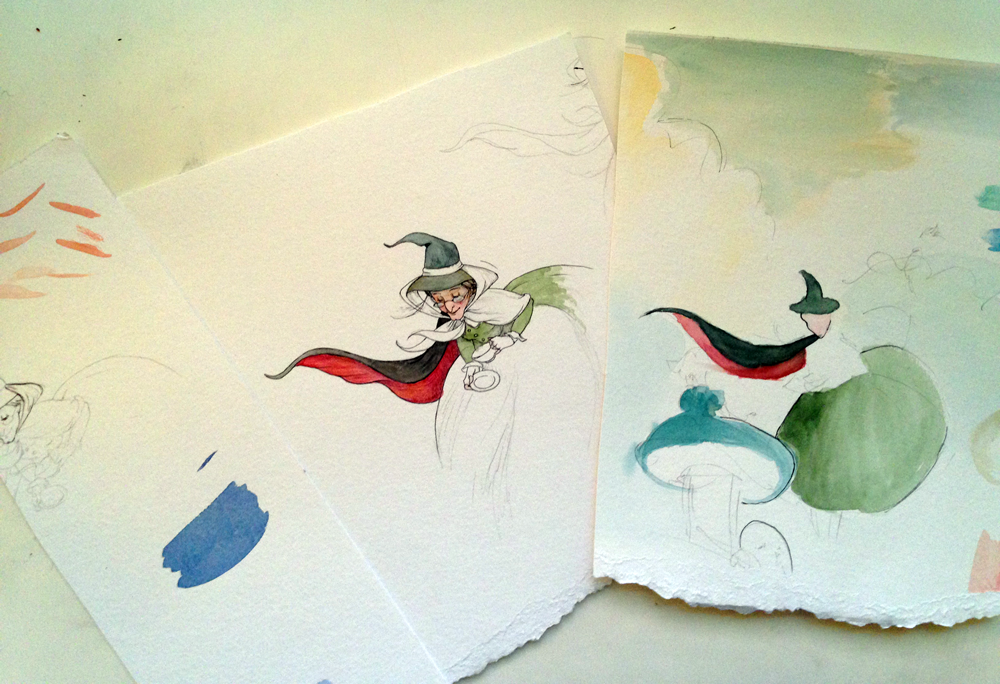
    Process
    The process… *note: the watercolor paper washed in green was a first pass/practice on a monochrome surface (I usually keep test washes laying around and draw/paint on top of them for fun) I repeated the process with a clean piece of watercolor paper and added color (see final below)

    Then begins the really fun part: bringing it to life with more definition and color….
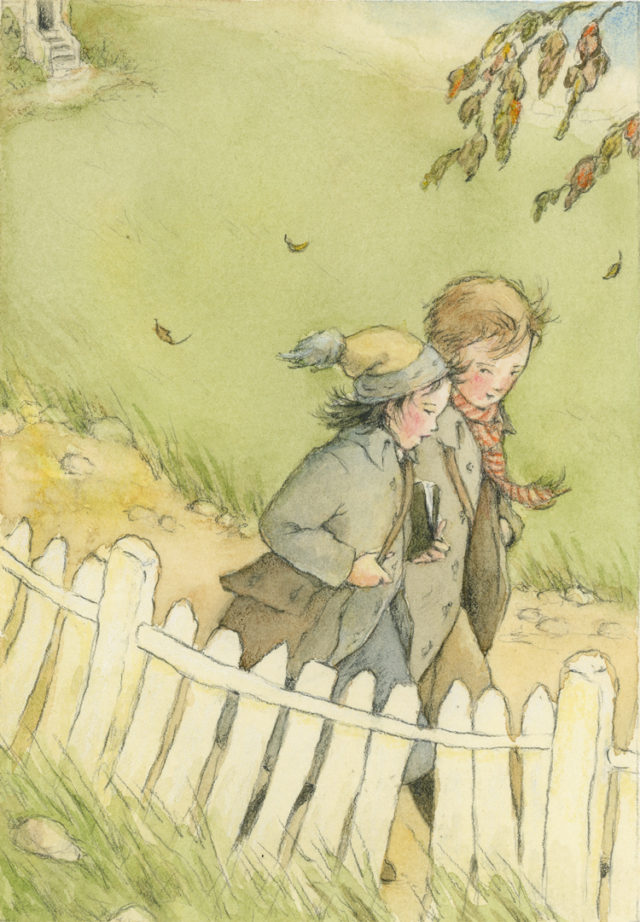
    "School Days" in honor of Earth Day 2021
    The final painting (version 2) 4/15/21

    For more peeks into process, visit these other posts: Steps… | Illustrating “The Princess and the Pea” using life reference process | Illustrating Mother Goose | How to illustrate a map in a hand drawn style | How to use collage for visual reference
  • Illustrating Mother Goose

    Illustrating Mother Goose

    ratterree_MAC_foup2014
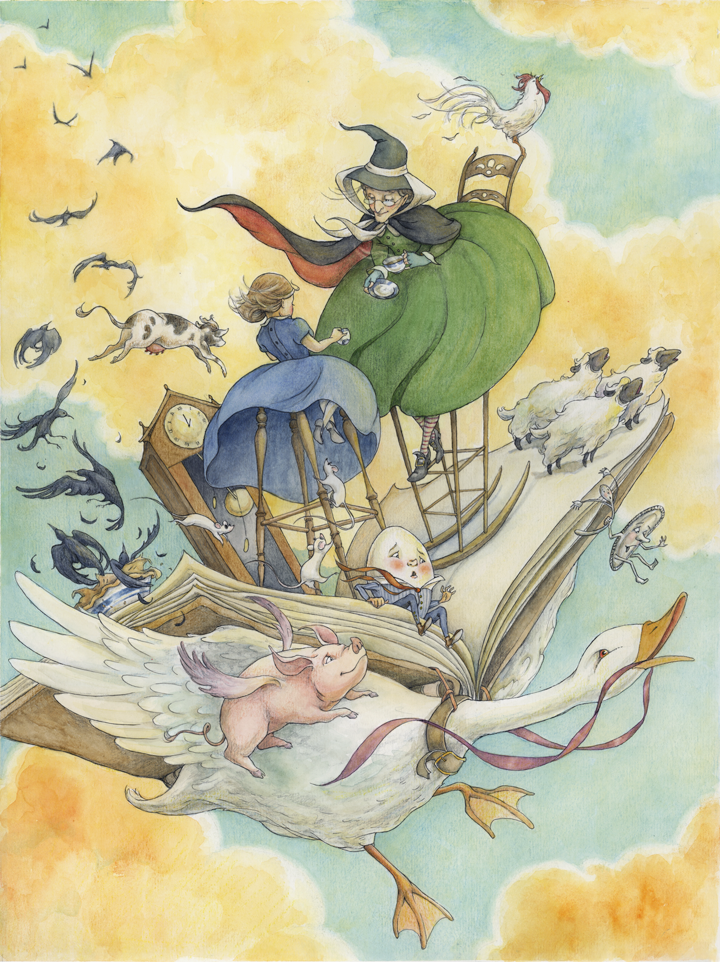
    ©Alice Ratterree – Metropolitan Arts Council Submission – Flat Out Under Pressure 2014

    One of my favorite annual events is Metropolitan Arts Council‘s “Flat Out Under Pressure” (FOUP) contest. In its fifth year, this program intertwines visual arts and sound environmental practices in downtown Greenville.  FOUP provides eight recycling bins for paper, plastic and glass in various locations along Main Street, encouraging recycling among pedestrians while creating a different exhibiting opportunity for visual artists.

    The event, which took place this year at the end of June, begins with a 24-hour art-making juried competition.  Each participant comes to the MAC office to have their surfaces officially stamped.

    FOUP stamp
    my stamped blank surface ready to go!
    9:00 am, June 27, 2014

    Artists may stamp as many surfaces as they like, but only one can return within 24 hours as an official submitted work of art.  Once returned, the pieces are then juried that afternoon with an awards reception held in the evening. In addition to receiving cash prizes, selected winners have the opportunity to choose two images of their work for reproduction on the downtown recycling bins. 1st place winner even gets a week-long trip to Italy to stay in the beautiful Villa Sant’ Andrea!  (Here’s to hoping for that one someday) The show is displayed in the MAC Gallery throughout the month of July.

    So for the process: How to prepare for having only 24 hours to create a finished work of art?

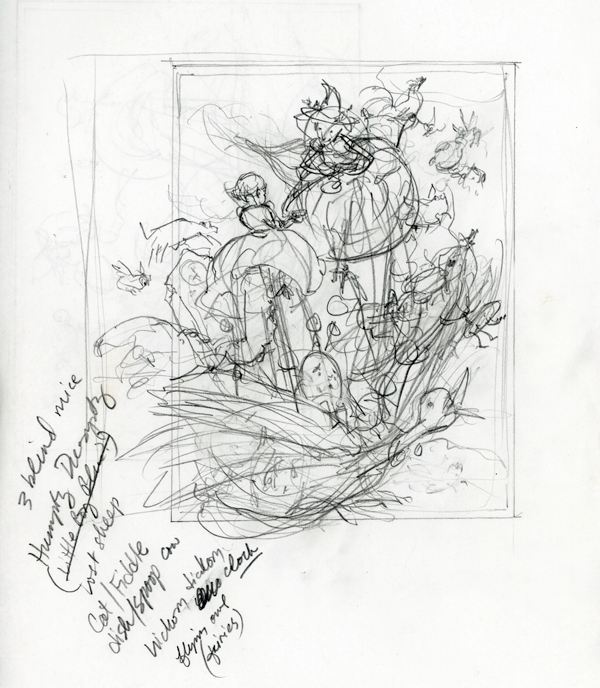
    It began with a thumbnail:

    ratterree_foup001
    mother goose brainstorming

    To keep the energy of the thumbnail, I scanned imported to Photoshop and then increased size of the thumbnail which was roughly 6″ by about 7.5″ to fit the paper I would use, 12×16″ – so about a 200% increase.

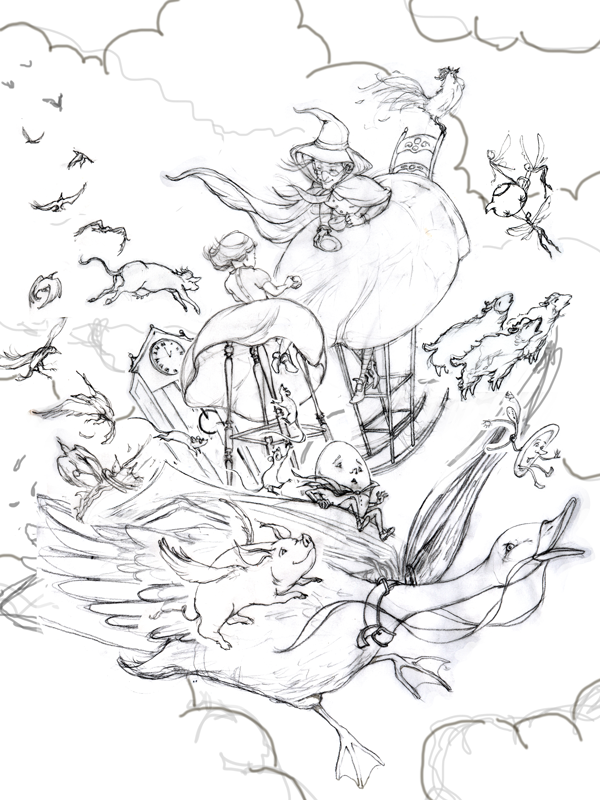
    I then used tracing paper to trace the thumbnail and add detail…

    Photo Aug 10, 11 48 52 AM
    adding detail from thumbnail using tracing paper

    Since I didn’t have tracing paper that was 12×16″ each figure or group of figures was worked on separately. I then scanned them into Photoshop and added each image carefully over the original thumbnail file in a separate layer. The result was a “final” sketch compilation:

    ratterree_foup002
    “final” sketch of compiled scans in Photoshop

    This was printed out to scale (took about 4 sheets of ltr paper, which I pasted together) All of this was prepped and ready to go before the event. The evening before the event I had fun transferring a few sections and working with the color palette.

    ratterree_foupcolorstudy
    color and line practice before the big event.

    So once I had my surface stamped, I was able to promptly bring it home, and have a full 24 hours to transfer the sketch using a light box, ink and paint it. 24 hours goes by pretty fast even when you pull an all-nighter!

    ratterree_how-to-illustrate-mother-goose

    I usually like to feature an illustrator for every blog post, but today I have several. The following illustrators were selected for the annual SCBWI mentorship program. Take a moment to check out their amazing work!

    Featured Illustrators: Kathryn Ault NobleAna ArandaSuzanne KaufmanJeslyn CantrellDorothia RohnerRobin Rosenthal


  • Watercolor practice

    Watercolor practice

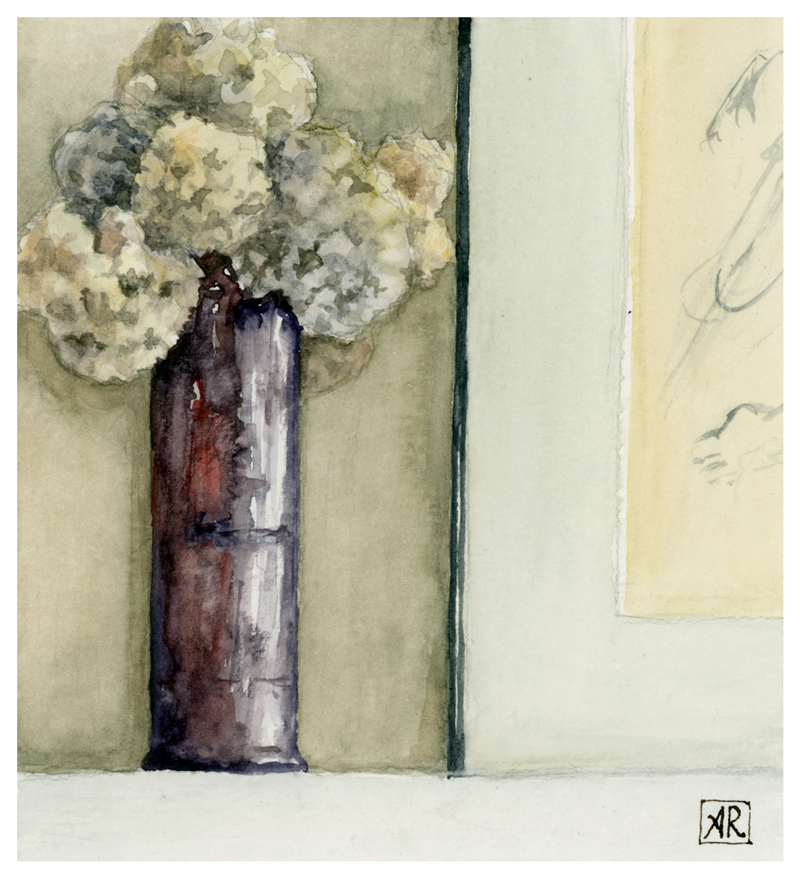
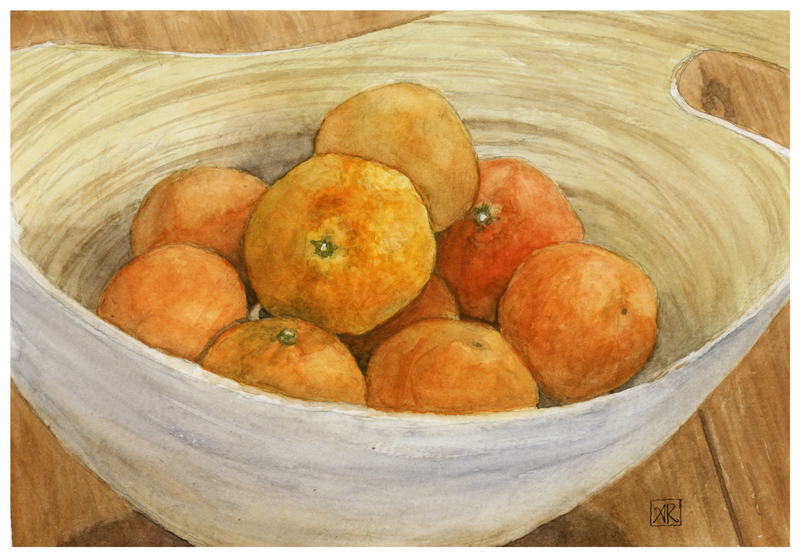
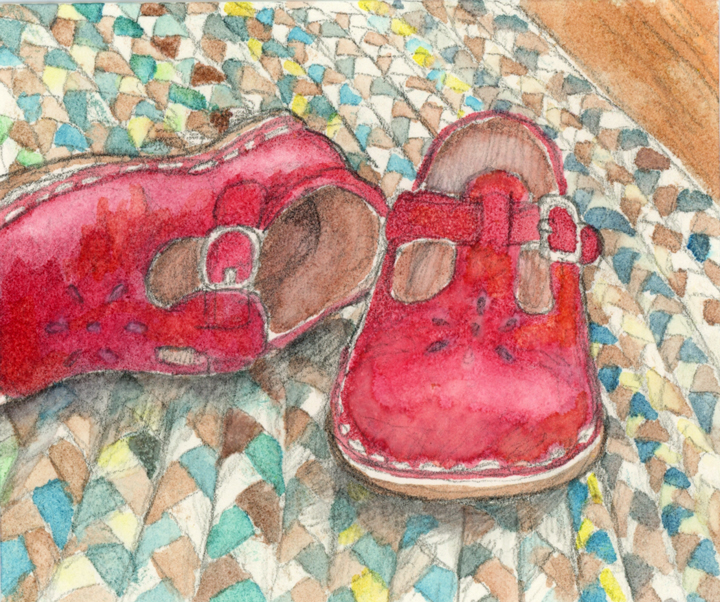
    Just a little practicing as of late….

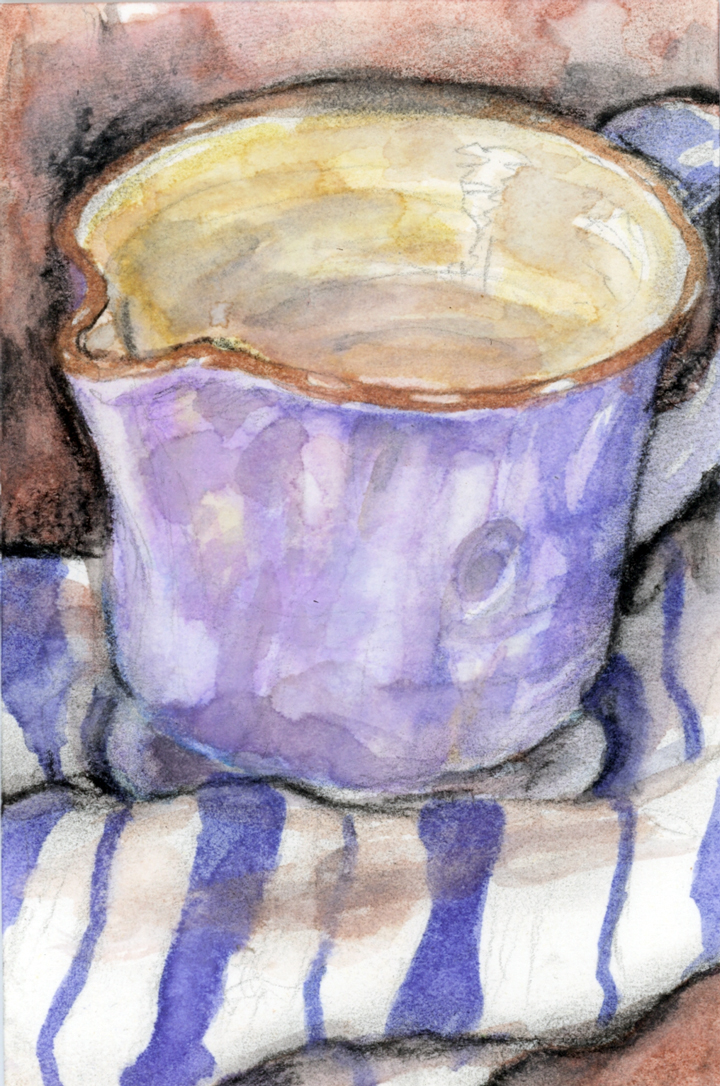
    ratterree_flowervase
    watercolor study
    January 2014
    image by Alice Ratterree


    ratterree_oranges
    watercolor study
    January 2014
    image by Alice Ratterree
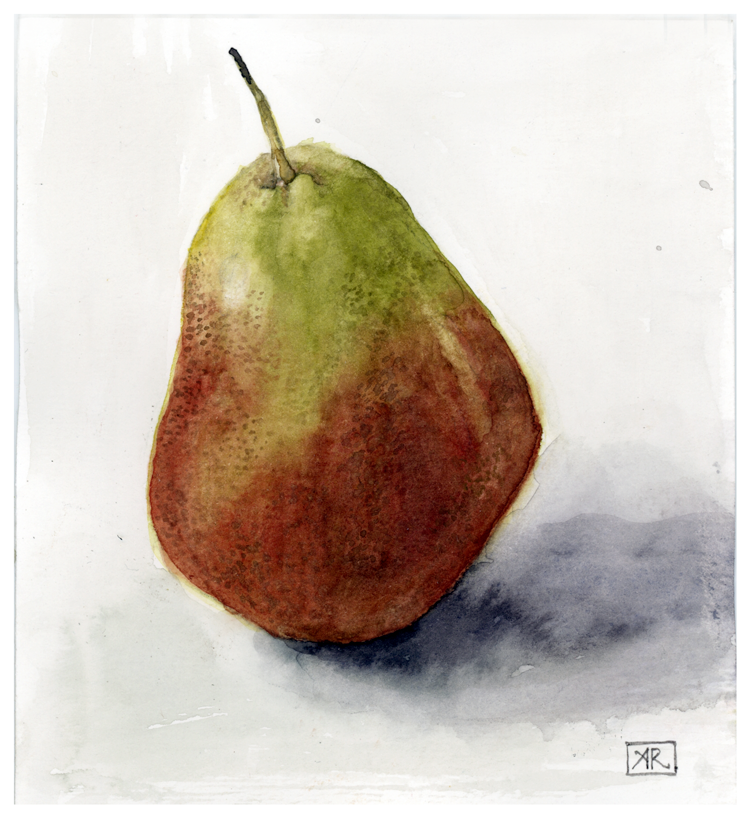
    ratterree_pear
    watercolor study
    January 2014
    image by Alice Ratterree


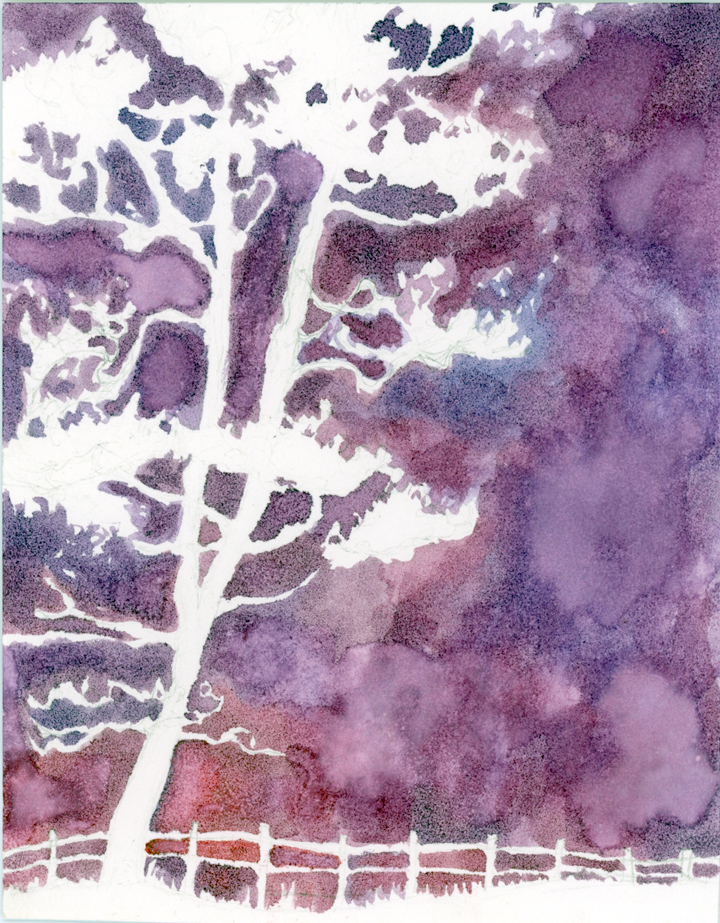
    ratterree_woods
    watercolor study
    January 2014
    image by Alice Ratterree


  • P3: Month 1 retrospection

    P3: Month 1 retrospection

    Accountability drives the commitment to blogging daily practice. With accountability, I’m driven to make sure the Petite Painting Project keeps moving forward. After all, it’s OUT THERE, not just in my own world….PUBLIC. So here’s the honest truth: I confess and accept that I am human, and P3 will fall by the wayside from time to time. I have to embrace and accept that as part of this process. This week was one of those times. Plenty of excuses and really, no excuses- just life with two small children, lack of drive and inspiration outside of getting my other commissions accomplished, whatever you want to call it. But I must say, that the week “off” was valuable. It gave me time to just think and look around me (and get over beating myself up a little bit for letting P3 take a back seat). I am beginning to feel energy breathing back into my creative core. So from now on, I won’t shy away from embracing a few days of repose and reflection at the end of each month. After each painting is completed, it gets taped up on my kitchen cabinet doors, so I really live with them. I think I’ll take them down, put them away and start new each month.

    I began on August 7, 2012. One month has passed and here’s the look back:

    Petite Painting Project, month 1

    I’m still searching for the link between these little projects and what it is that I do as an illustrator for children, but also remembering not to have anxiety about it. The answer will come over time. And this is about time and growth. These little paintings are simply a way for me to step outside my usual process and subject matter and look at the world around me. It’s a nice break from coming up with entirely imagined original illustrations. Miniature beauty and sweet compositions lie around me every day. I just have to open my mind to see them.

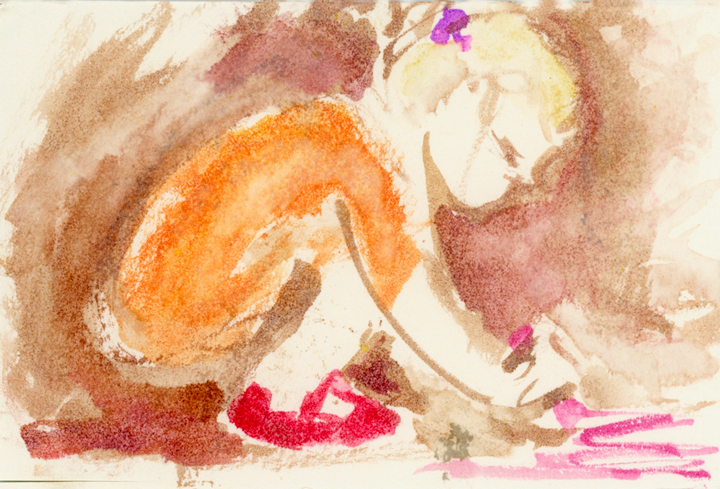
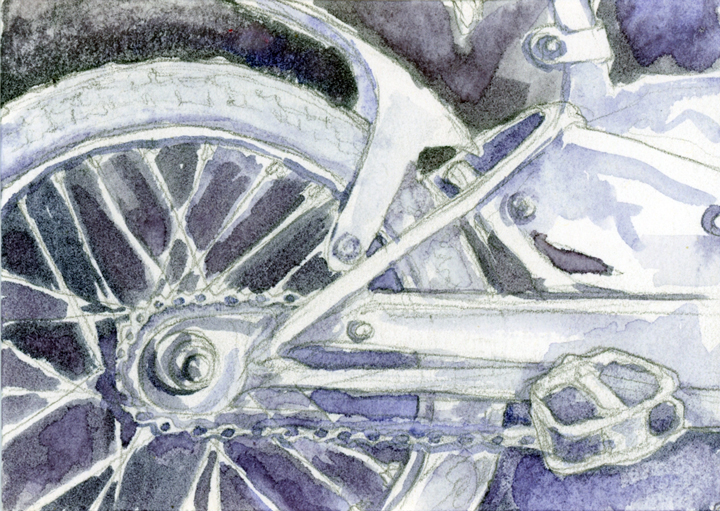
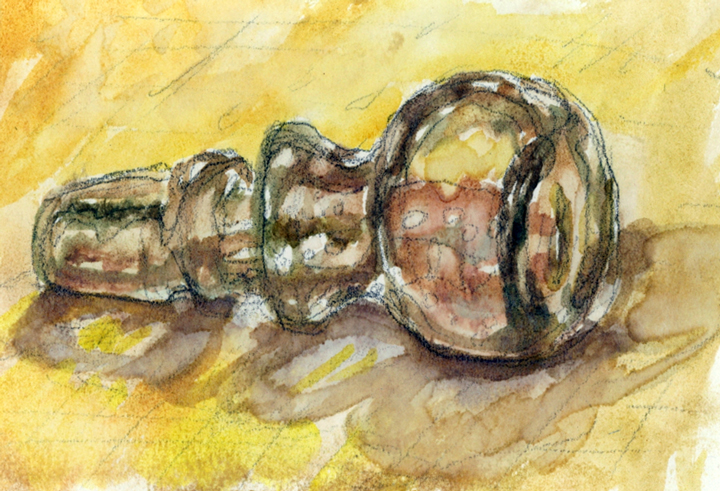
    A new month for Petite Paintings….

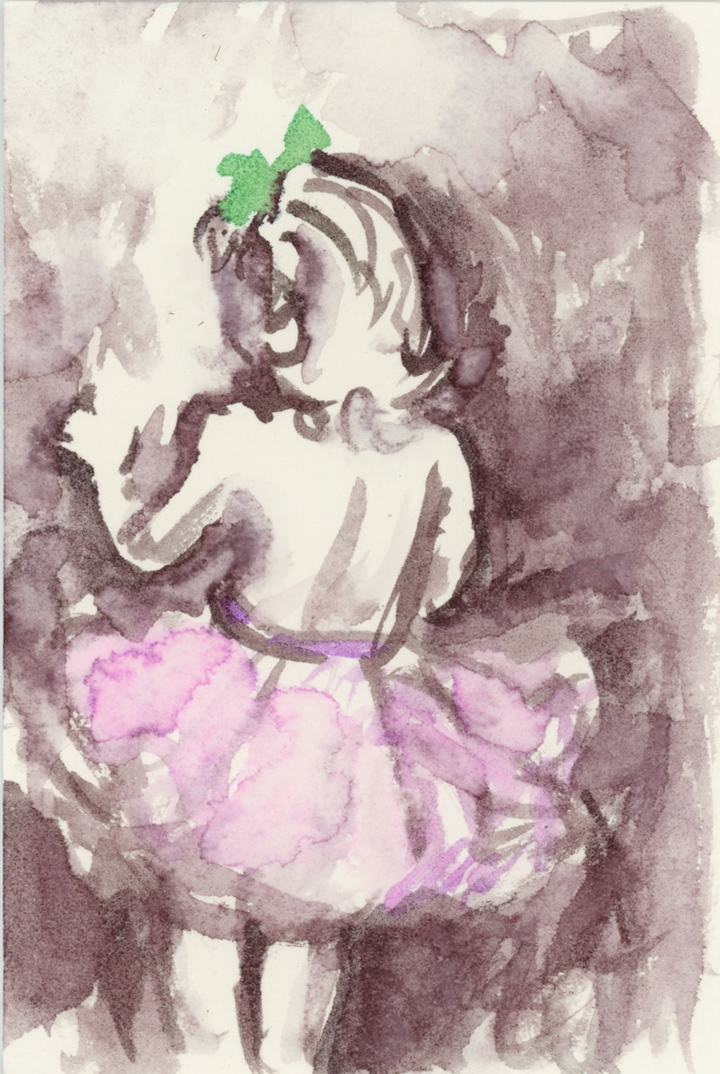
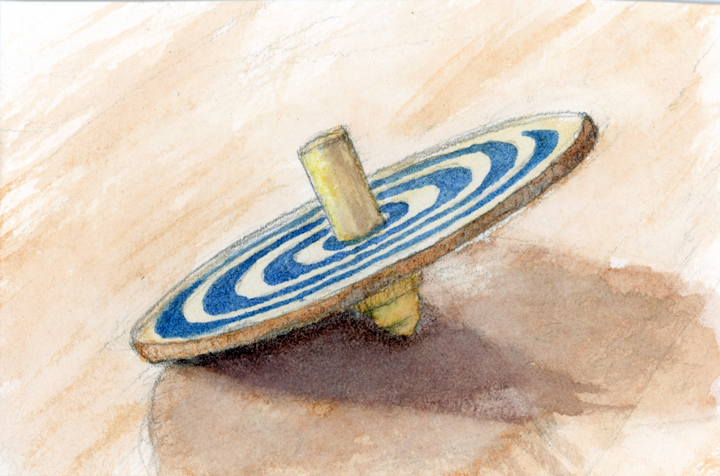
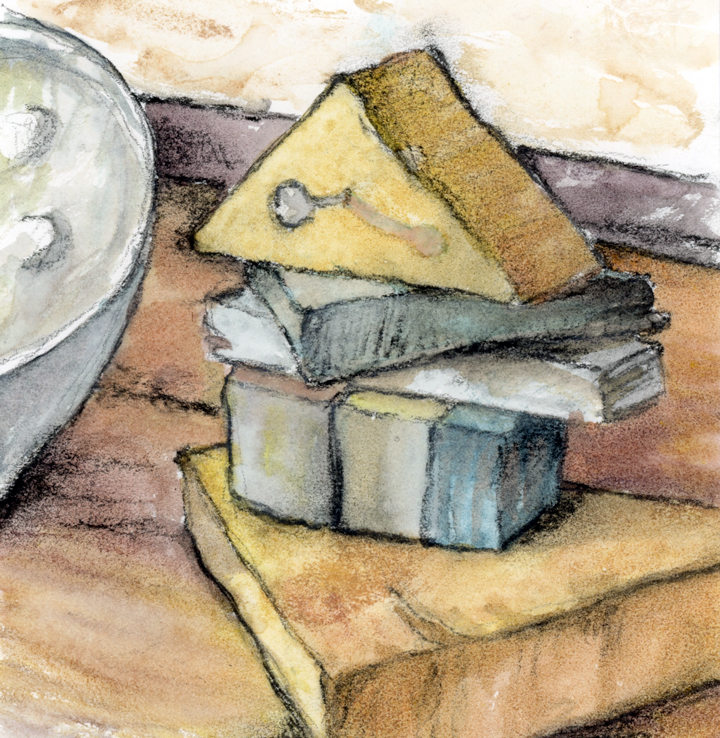
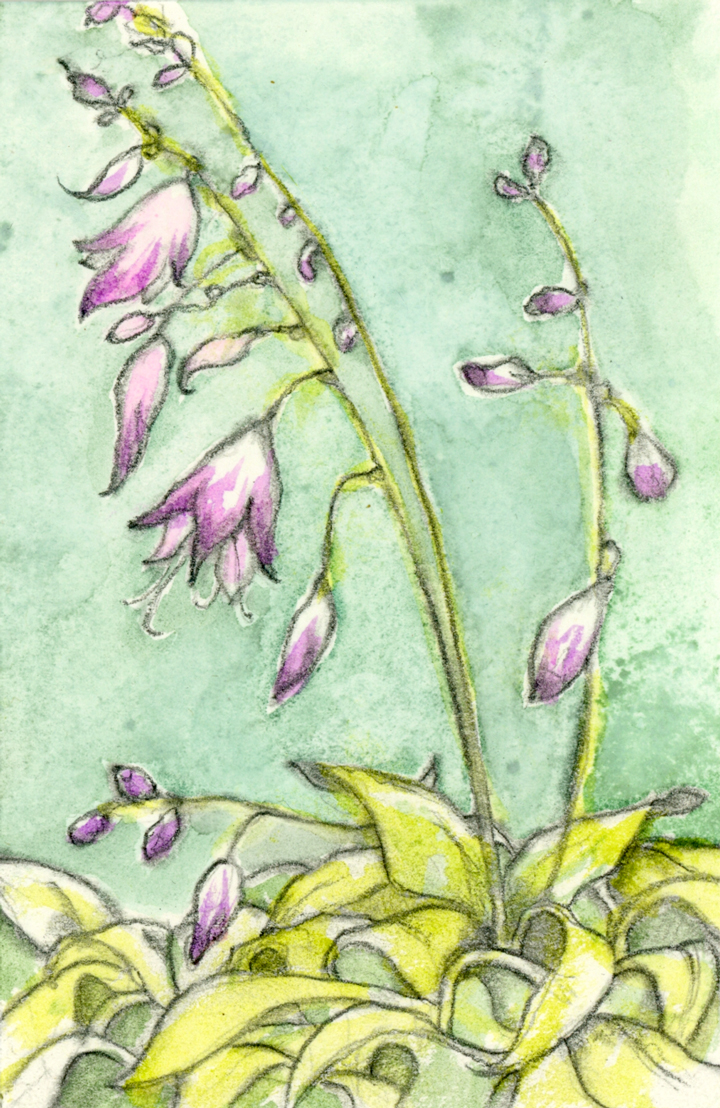
    P3 9/9/2012
    P3 9/10/2012
    P3 9/15/2012


    Today’s promo illustrator: Eliza Wheeler


    Previous Petite Painting Project          Next Petite Painting Project


  • Freelancing: What’s in it for me?

    Freelancing: What’s in it for me?

    There are plenty of resources out there about how to put a price tag on our work. Some metric is lying around out there that perfectly calculates time spent on a project, education and training, taxes (eek!), and just good old fashioned supply and demand (although the truth is, as illustrators, we all offer something completely unique that cannot be imitated, right? Well, at least that’s the life-long goal)

    But that’s not the question I’m asking.

    I want something a little more intangible, but a lot more valuable. I want something that I will live off of the rest of my life (that’s not imprinted with past presidents) I want learn something about myself and about my craft. I want to be charged creatively, and desire to go to work each day. I want to WANT to wake up early and stay up late getting it right. I want inspiration and challenge. I want to dive into the deeper recesses of myself and find a way to put a little part of my heart on to that paper that will be here (hopefully) long after I’m gone.

    Is that too much to ask of a client? Of course. But it is not too much to ask of myself.

    Whatever the task, it is up to us as illustrators to discover something new about ourselves and our work, our process, our creative energy. It is up to us to generate or seek out the source of inspiration for our projects.What can I learn from this experience? How can I grow as an artist? What would make this project creatively challenging for me? How can I learn to increase quality and decrease time spent, therefore being more EFFICIENT? When do I work best? When should I stop and rest? The path to this creative balance or nirvana, is loaded with questions. Questions that need to be explored, not necessarily answered once- but over and over again.

    Promo note: visit Diandra Mae fellow SCBWI member and illustrator. Her blog hosts “Sweet Squares”, a daily practice activity challenge similar to P3. I love it!

    Previous Petite Painting Project                                          Next Petite Painting Project


  • Materials

    Materials

    Materials, from Art and Fear by David Bayles and Ted Orland

    “The materials of art, like the thumbnail sketch, seduce us with their potential. The texture of the paper, the smell of the paint, the weight of the stone – all cast hints and innuendoes, beckoning our fantasies…But where materials have potential, they also have limits. Ink wants to flow, but not across just any surface; clay wants to hold shape, but not just any shape. And in any case, without your active participation their potential remains just that – potential…What counts, in making art, is the actual fit between the contents of your head and the qualities of your materials.”

    Promo note: visit Jessica Lanan, friend and fellow SCBWI mentee, who is also tackling the Petite Painting Project!


    P3 8/29/2012

    Previous Petite Painting Project                                   Next Petite Painting Project


  • Draw (and paint) what you see, not what you know

    Draw (and paint) what you see, not what you know

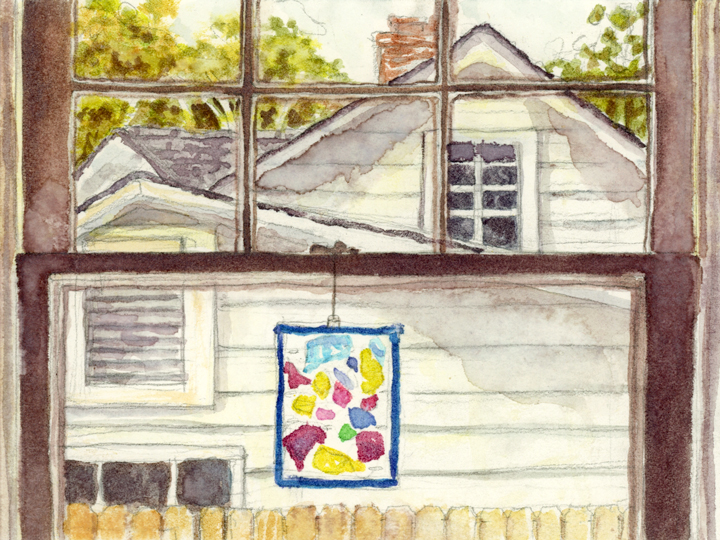
    This is the view from my kitchen window. I love seeing only the tops of houses. It was my favorite thing about city living too – dwelling a few floors up, no ground in sight, only rooftops, windows and sky. like being in your own almost weightless world.

    The trim around my window is white (Dover White, by Sherwin Williams to be exact) yet during daylight, it fades into charcoal shadow. My brain knows that it is still white, but my eyes challenge me to see the true relative color against the sunlit vista. I had to keep convincing myself to let my eyes lead, to push back against my head (like the schoolyard bully it can be) and go back for more pigment. Sometimes you just have to ask your brain politely to leave.

    P3 8/28/2012

    Previous Petite Painting Project                                            Next Petite Painting Project

  • Creativity while travelling

    Creativity while travelling

    The Petite Painting Project travelled last week. For seven days I was out of my usual creative space with two small children in tow. It was almost next to impossible, but I did it. The posting slowed, but I kept coming back to the paper each day and here’s what I learned. If I don’t do this in the morning hours, the work suffers. I loose my enthusiasm, energy and desire to be creative as the day wears on. Morning has always been a time of inspiration for me. I remember waking up as a child giddy with excitement about the acres of time that lay before me with endless possibilities of how to spend it.

    At the SCBWI conference this summer, Tony DiTerlizzi spoke about reaching back into our past to unearth what inspired us when we were children. What made 10 year old Alice get up early to play? What charged child Alice into creative action? In order to go forward, I have to go backward – back to the child self and rediscover that which makes me truly uniquely me. As my skills develop and my ability allows me to achieve success, I also become detached from that child who is the key to making it all work in the first place. Skill can be developed to near perfection, but if the youthful magic is lost, then what good is all the training?
    So for me, P3 must happen in the morning, when I am excited about the possibilities. One of my favorite books is Art & Fear by David Bayles and Ted Orland. It’s a tiny thin book packed with lessons and observations about how art gets made. In one passage, the authors discuss how painting a picture is an act of diminishing possibilities. A blank canvas holds the most opportunity. Anything can happen, and the moment that the first stroke is made, then thousands of options immediately are wiped out. Each successive stroke therefore eliminates possibility until the end, where the final stroke can exist in no other realm except within that painting. I suppose that is why joy cometh in the morning, why babies hold our dreams, and why wonder lies at the beginning of an uncertain journey.

    Last weekend, my grandmother was finally put to rest. The curtain was closed on her life and we all gathered and dwelled for a few days in the twilight of living things. Her home still holds picture frames and ticking clocks, china plates carefully selected, toys for grandchildren and great-grandchildren, her perfume, her pillow. I dream she is at the beginning of a new an uncertain journey where possibilities are endless.

    P3 8/18/2012
    In memoriam: Roselyn B Thomas

     Previous Petite Painting Project                                            Next Petite Painting Project

  • Patience with Foliage
    Patience with Foliage
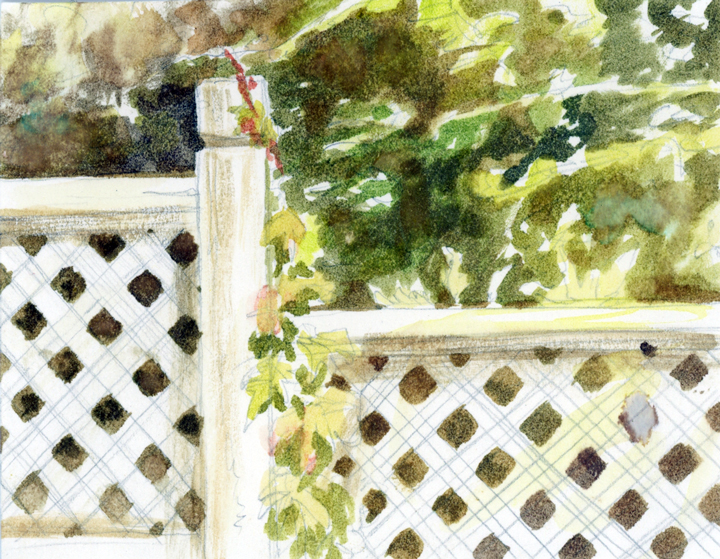
    It is really hard to have patience when trying to capture foliage. There so much out there with such variety of distinct personalities that if that is the only subject you focused on, you would have enough work to tackle over the course of multiple lifetimes.

    I didn’t really have the patience this morning with it, but I showed up. Maybe I’ll try again tomorrow…

    P3 8/13/2012


    P3 8/14/2012


    Previous Petite Painting Project                                         Next Petite Painting Project